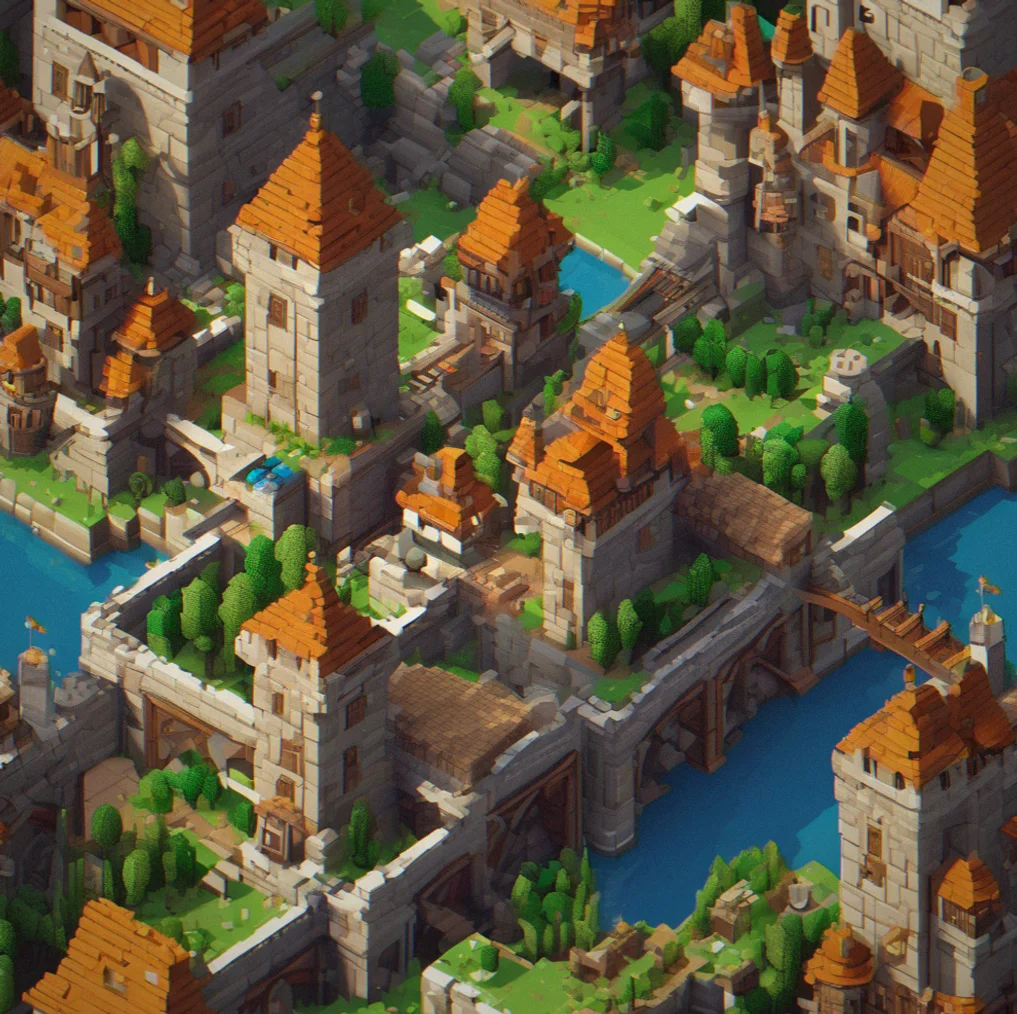
Castle Build
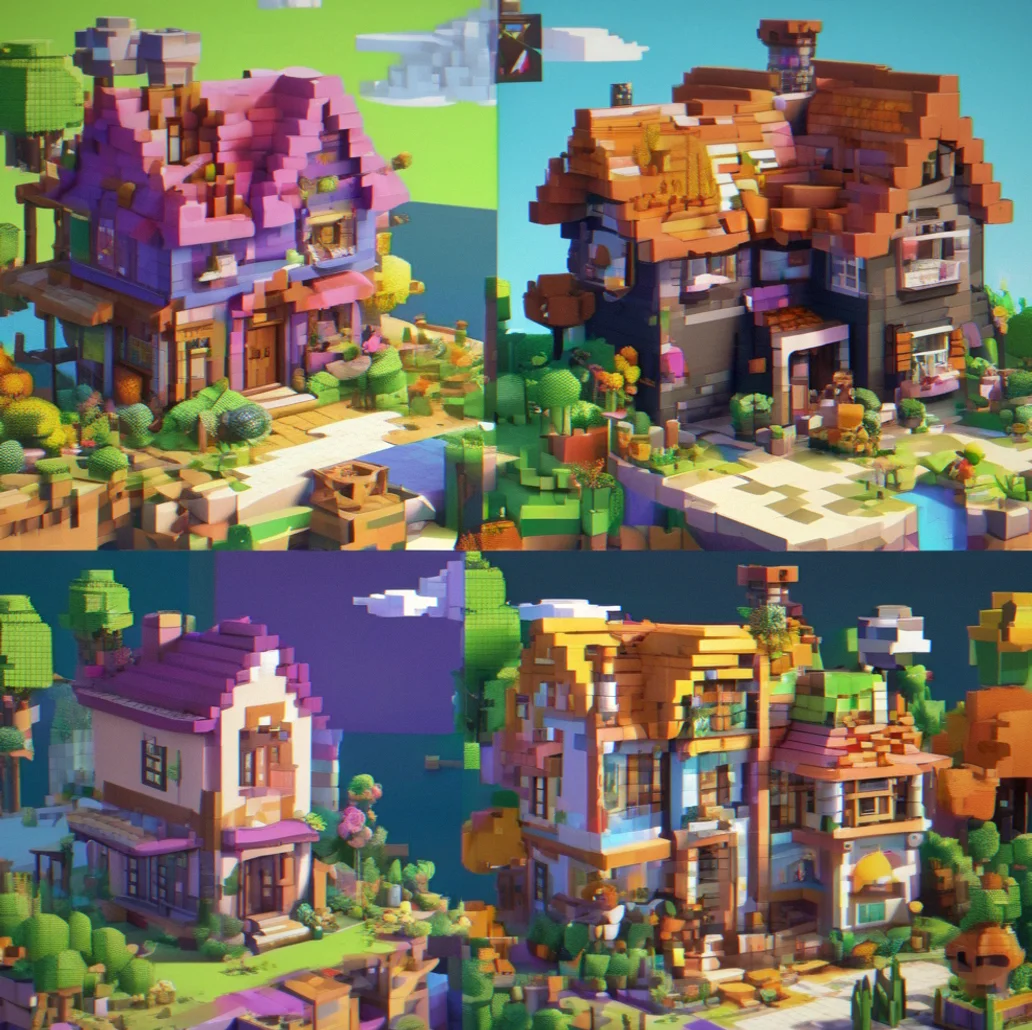
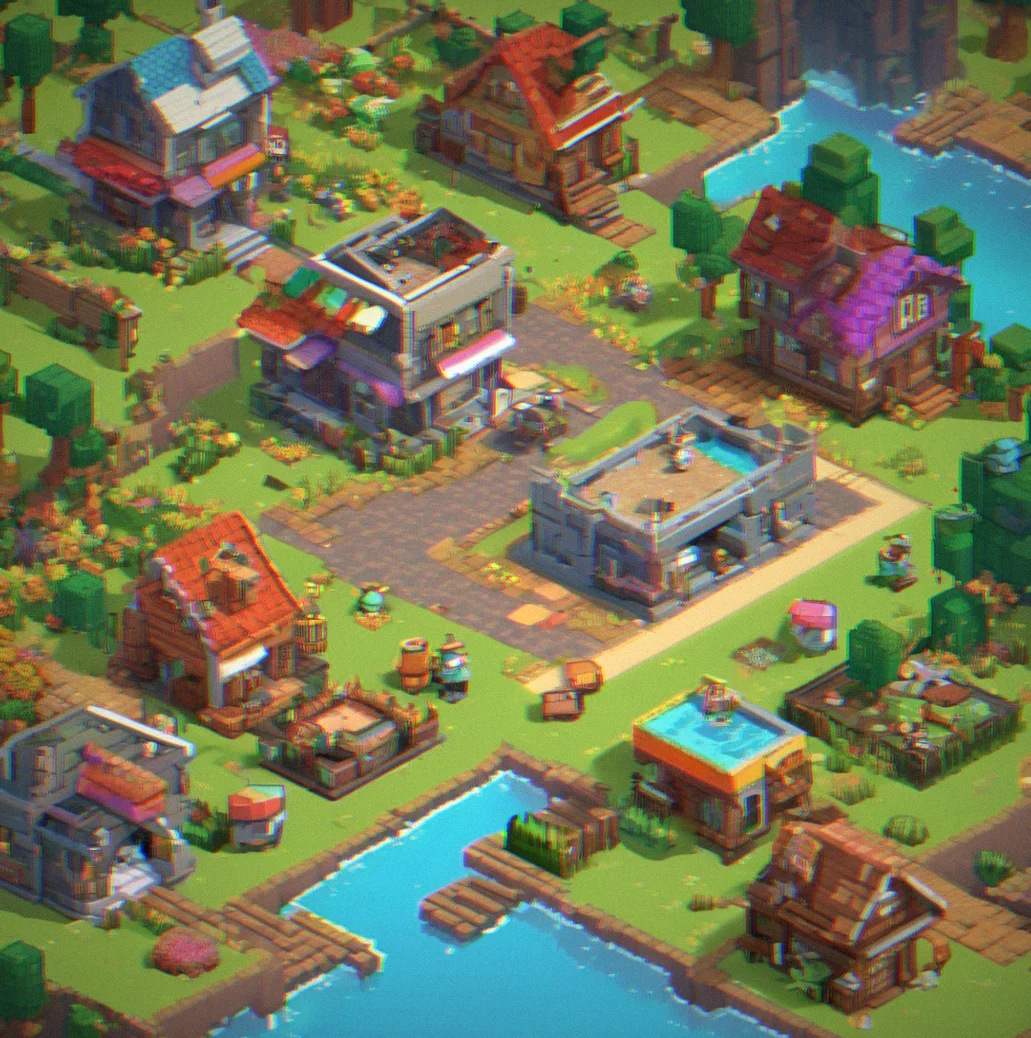
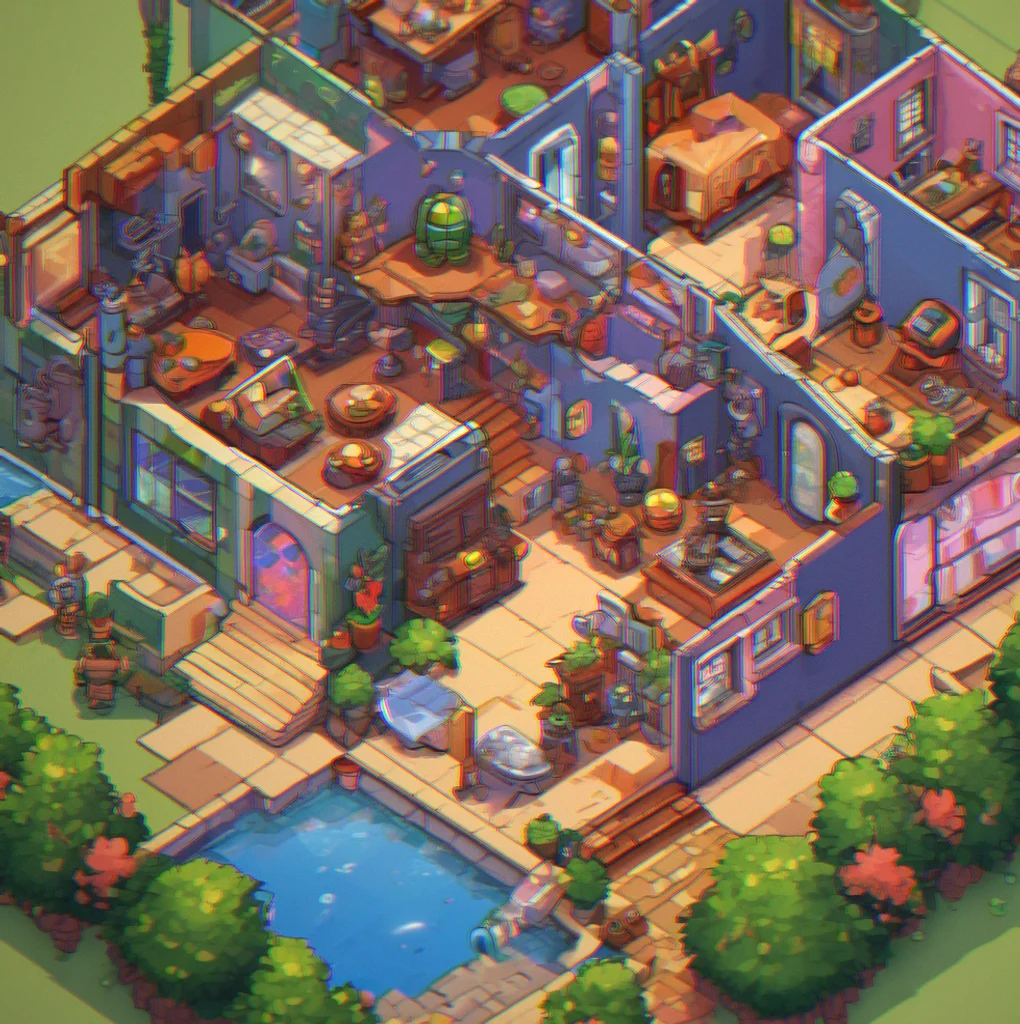
Started as one tower. After three rounds of changes, it turned into a full fortress with a moat. Someone in a different part of the world picked it up, remixed it, rebuilt it.

Start on desktop. Keep going anywhere.
Over 40,000 creators have used Craftmotive to design 3D structures, pixel art, and modular pieces—most finish in minutes. Share a world code and watch what happens. Someone remixes it. You iterate. That's how it works.
The real problem is the gap between what you imagine and what you can actually see. You sketch something, test it, realize it doesn't work — and then you either throw it away or spend forever redoing it. Craftmotive just closes that gap. Build a voxel structure. Load it. Hate how it looks? Delete three blocks, place five new ones, test again. Takes about forty seconds. No exporting, no importing, no waiting around for anything to compile. The world updates the second you make a change. Once it feels right you generate a code and share it. Someone else loads your world, sees exactly what you built, and starts building on top of it. That's the loop that actually matters — not engagement metrics, but real people working with your actual creations.
Character code to share any world, anywhere
Active builders discovering and remixing creations
Devices you can build across withotu syncing friction
Coding knowledge required to create anything
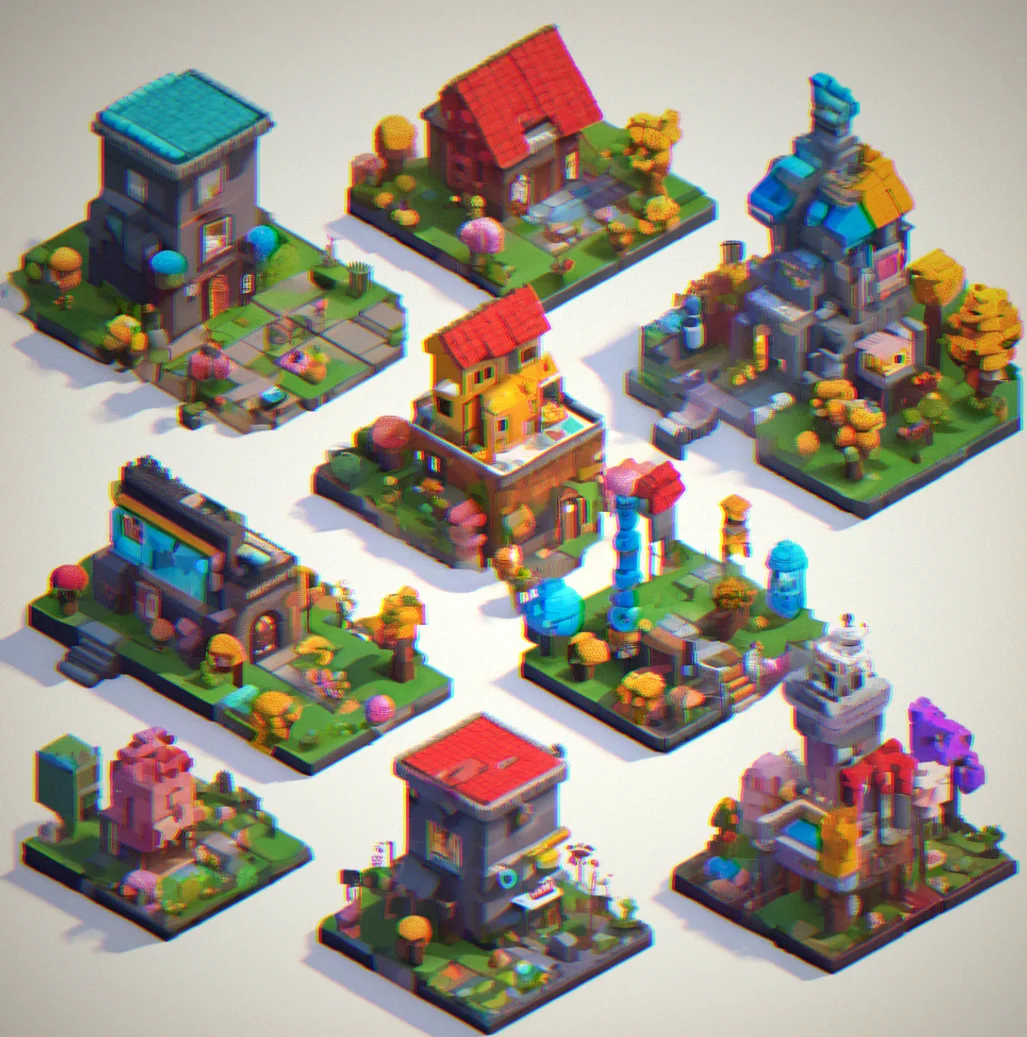
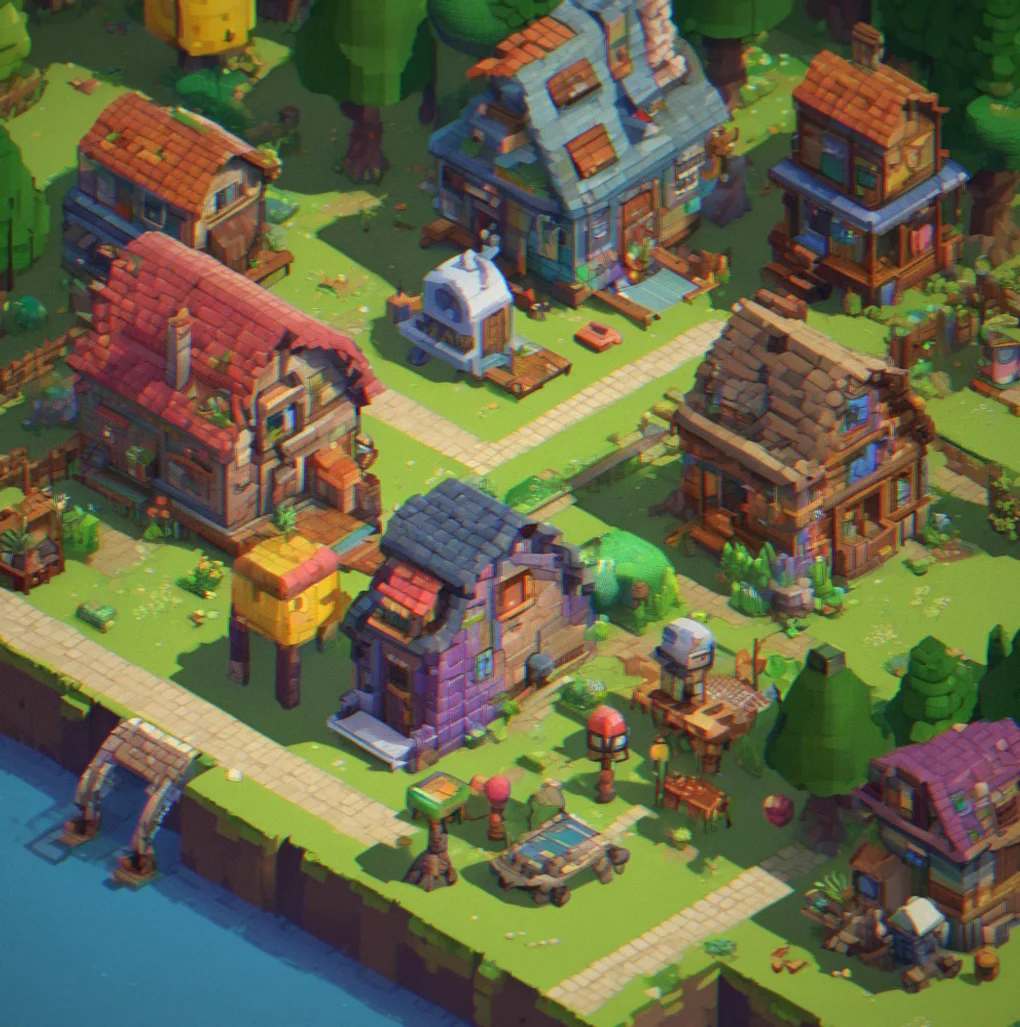
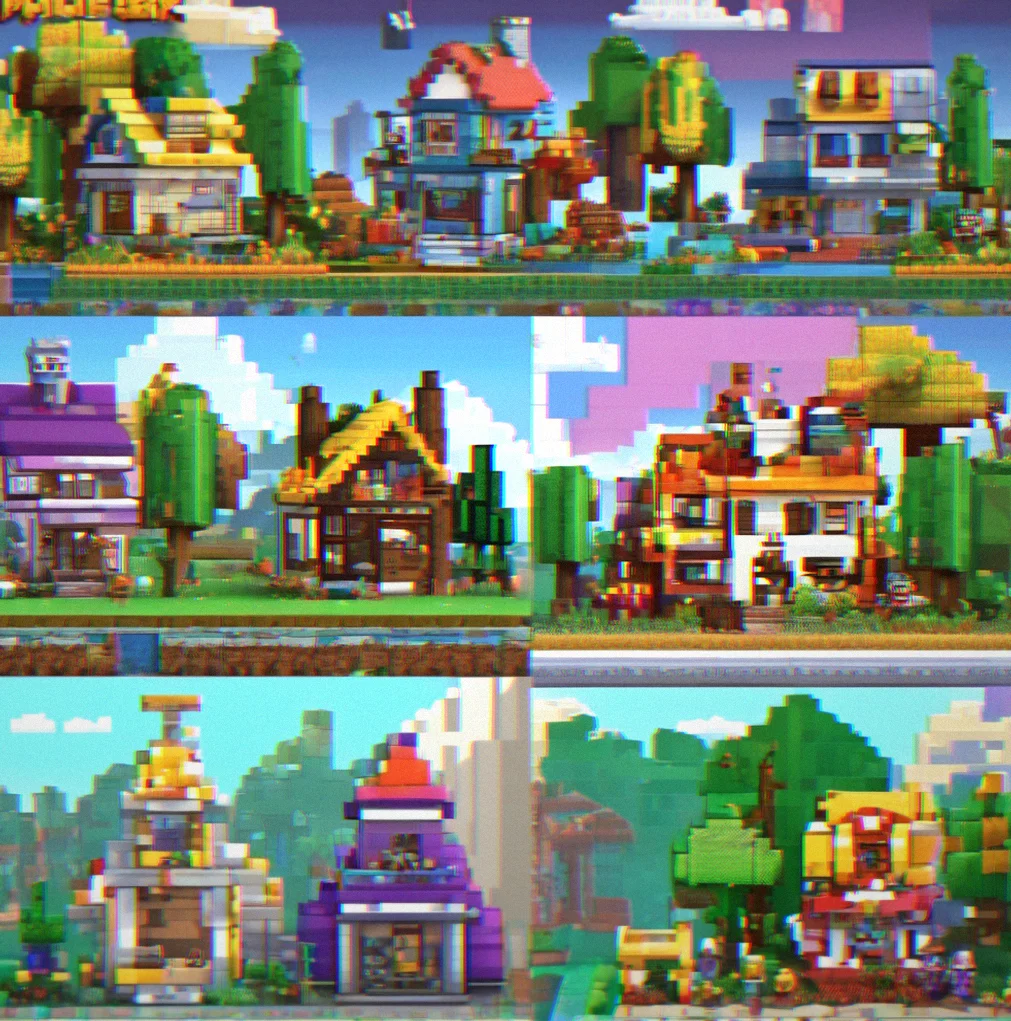
Voxel castles, pixel sprites, modular room systems. Everything in between. The gallery just shows what gets made and then shared around.
Started as one tower. After three rounds of changes, it turned into a full fortress with a moat. Someone in a different part of the world picked it up, remixed it, rebuilt it.
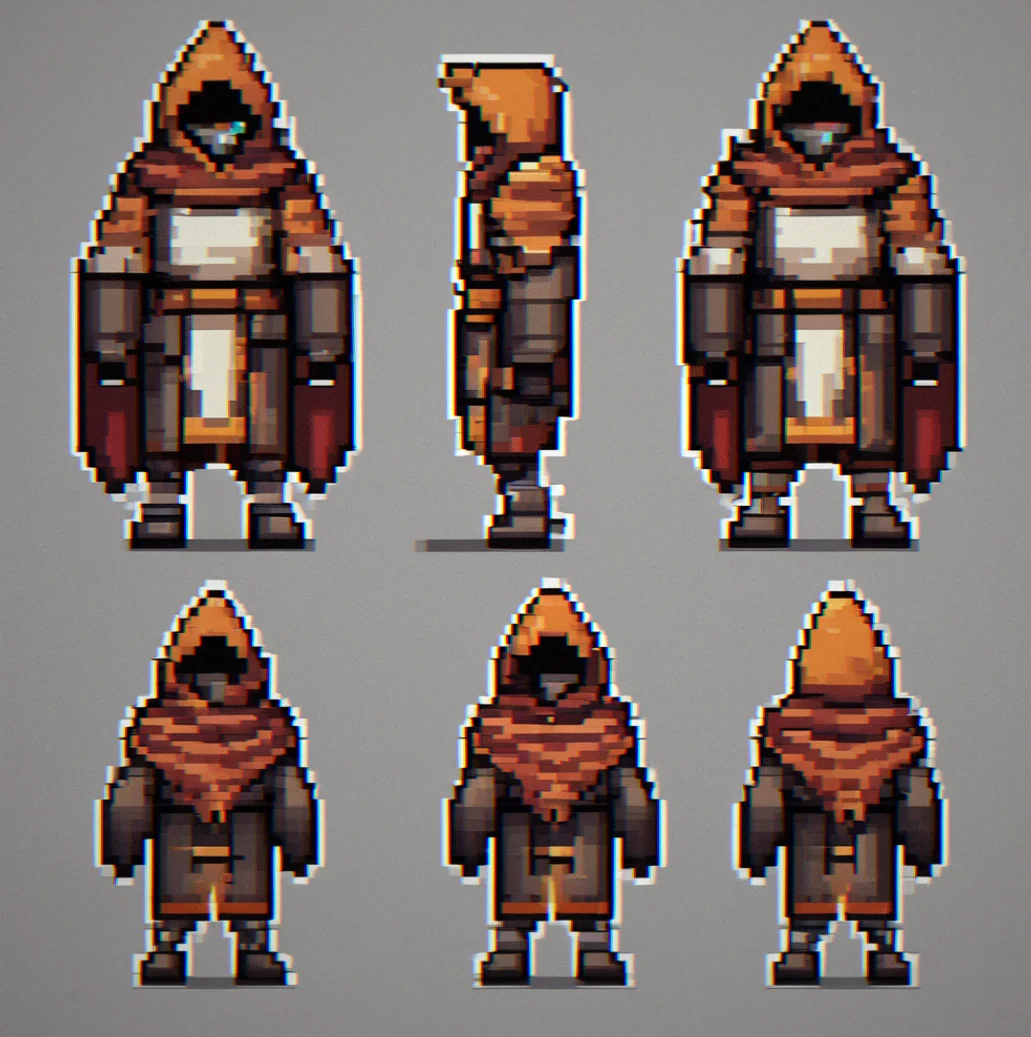
Two days of pixel pushing. The spritesheet code got shared. Another builder grabbed it and dropped it straight into their game. All of that happened in the comments section.
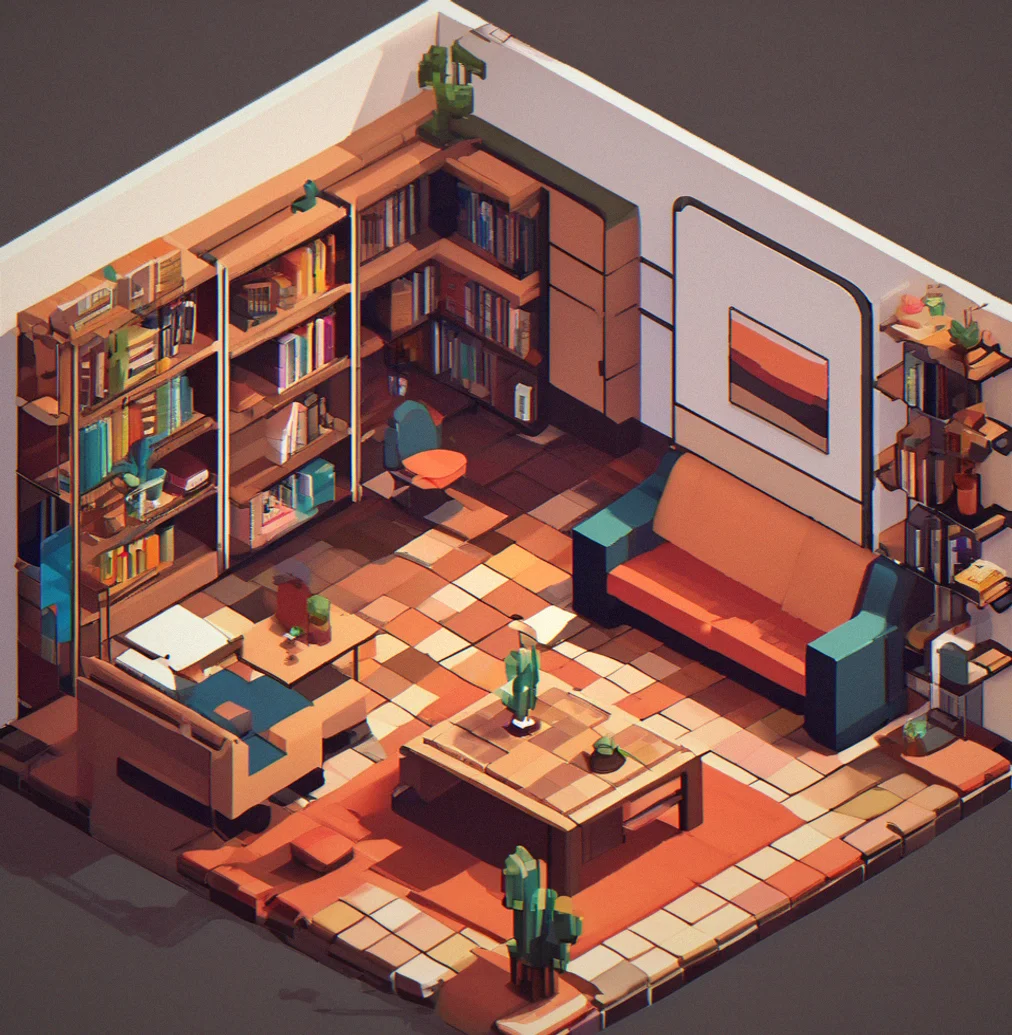
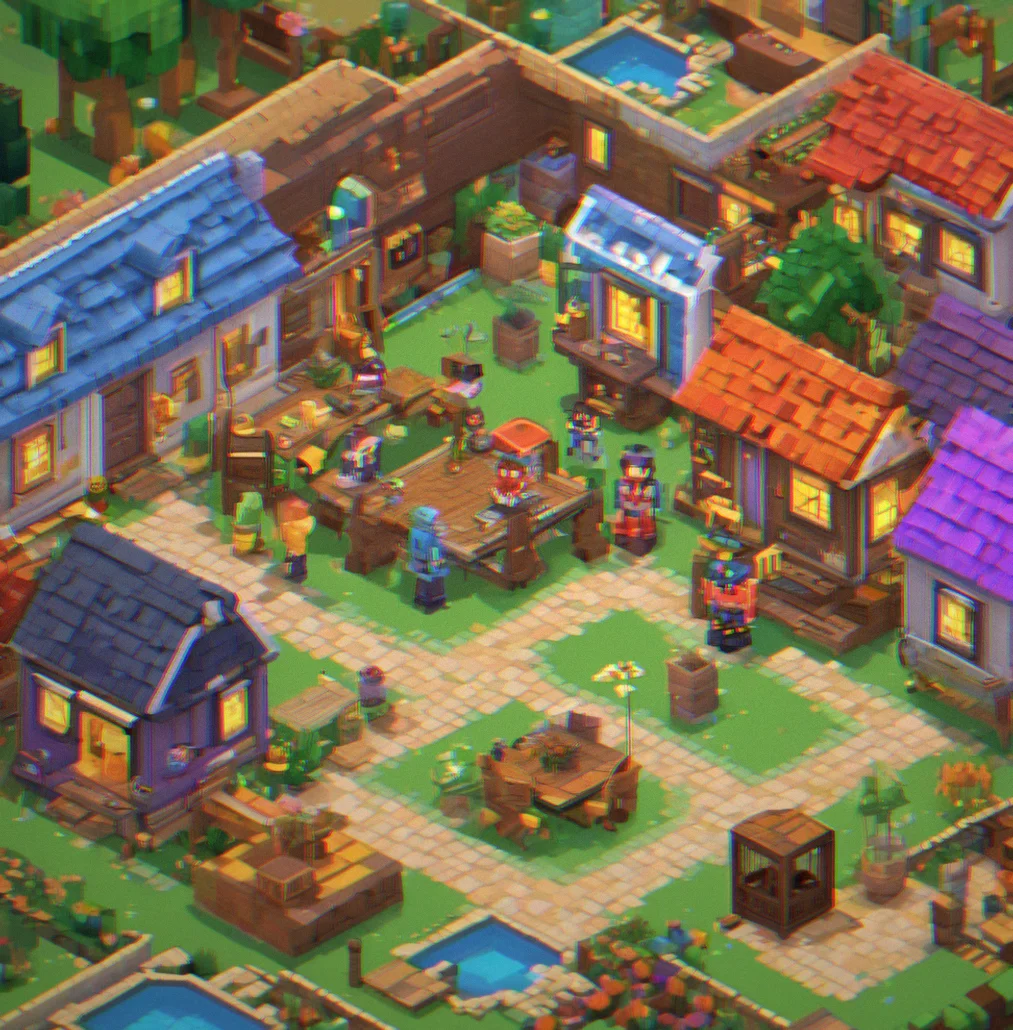
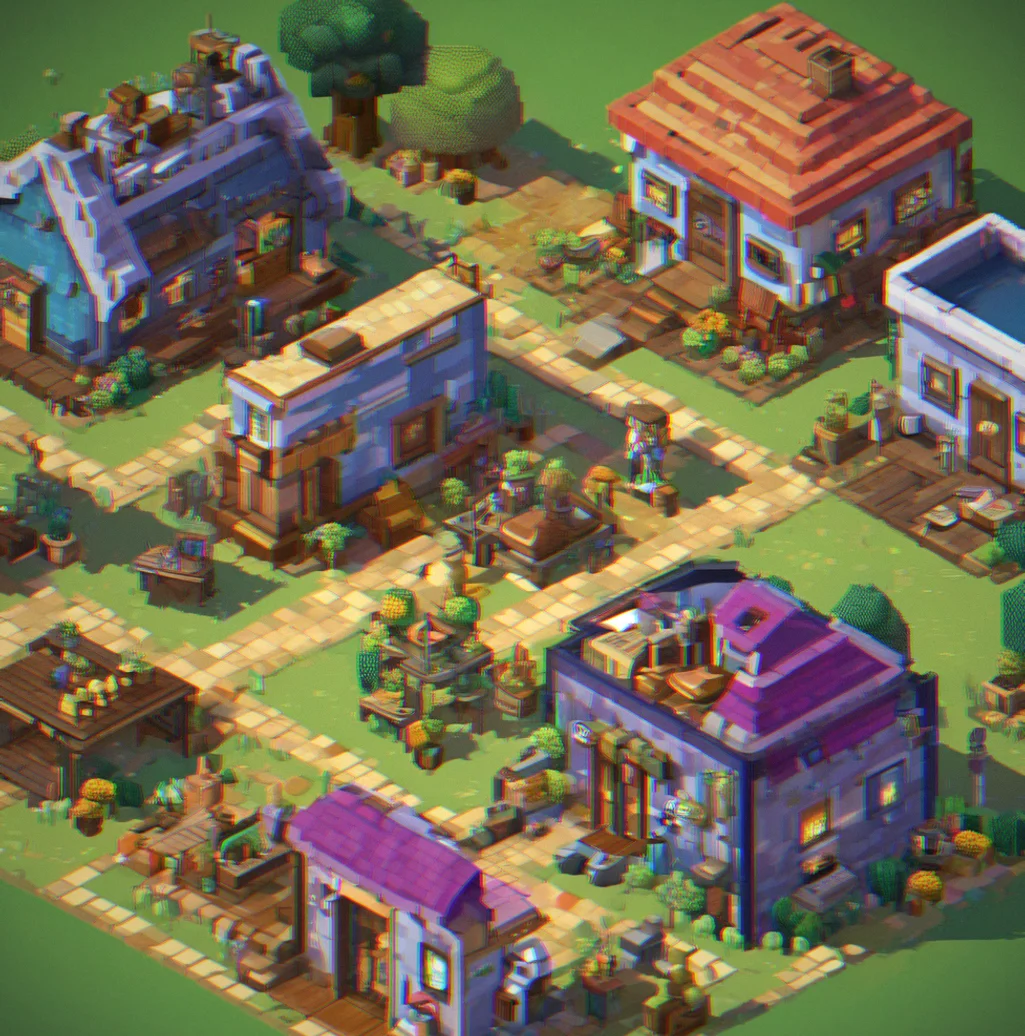
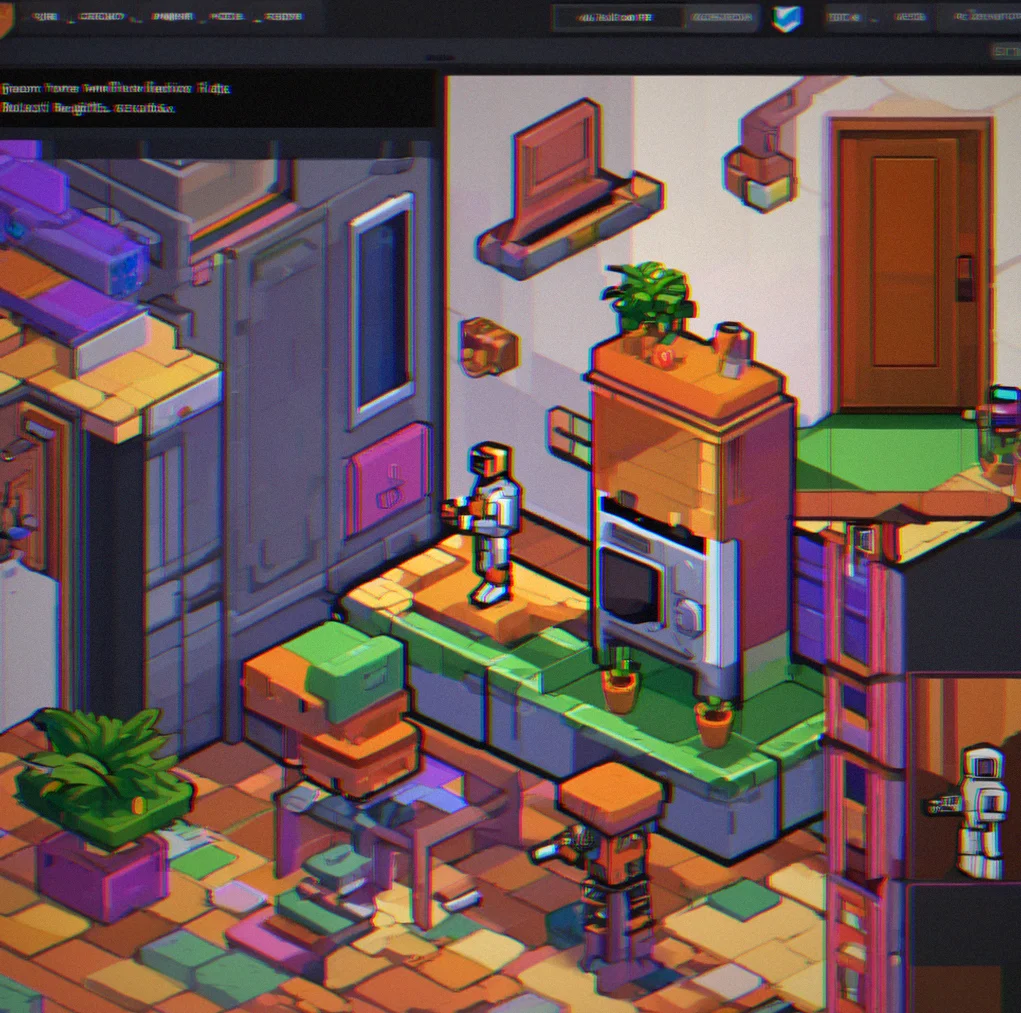
A design system for building interiors. Every piece has its own code. Builders just snap them together to make custom rooms. That's how iteration should actually feel.
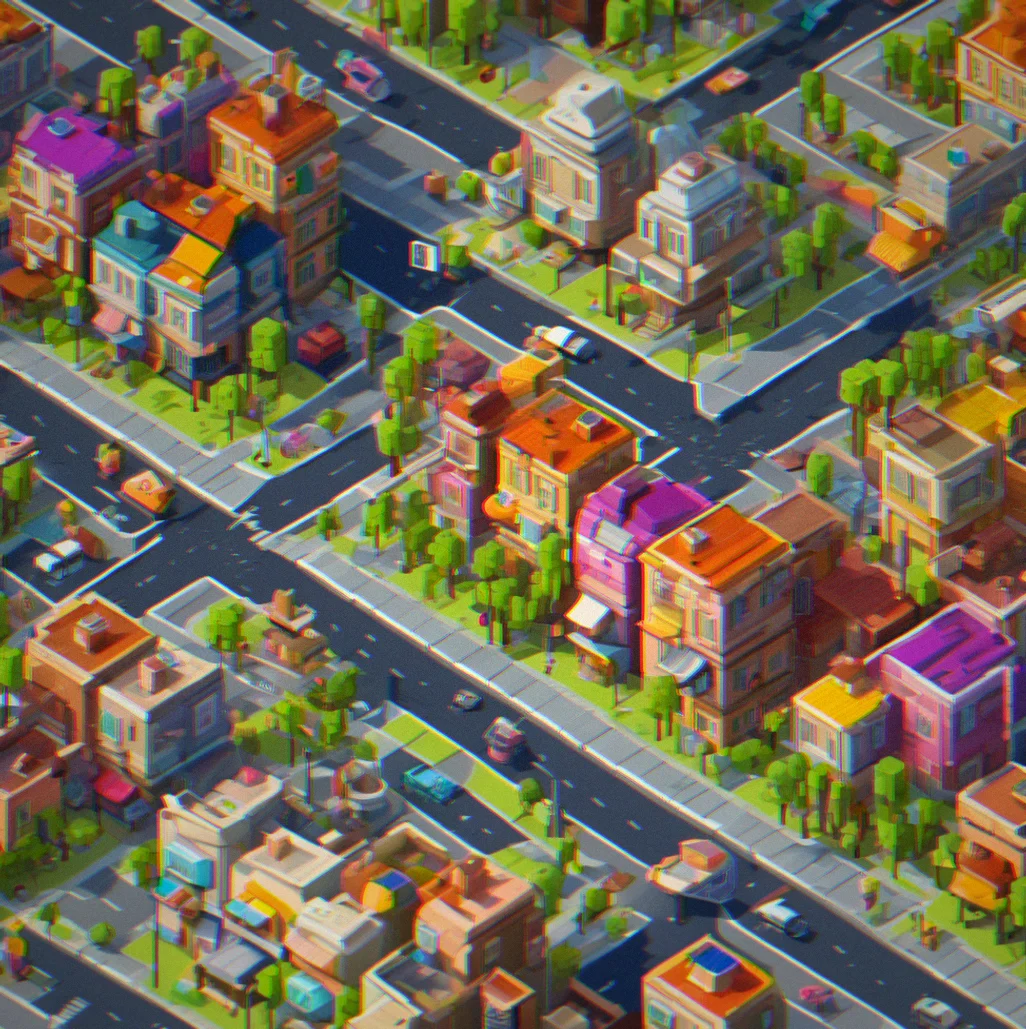
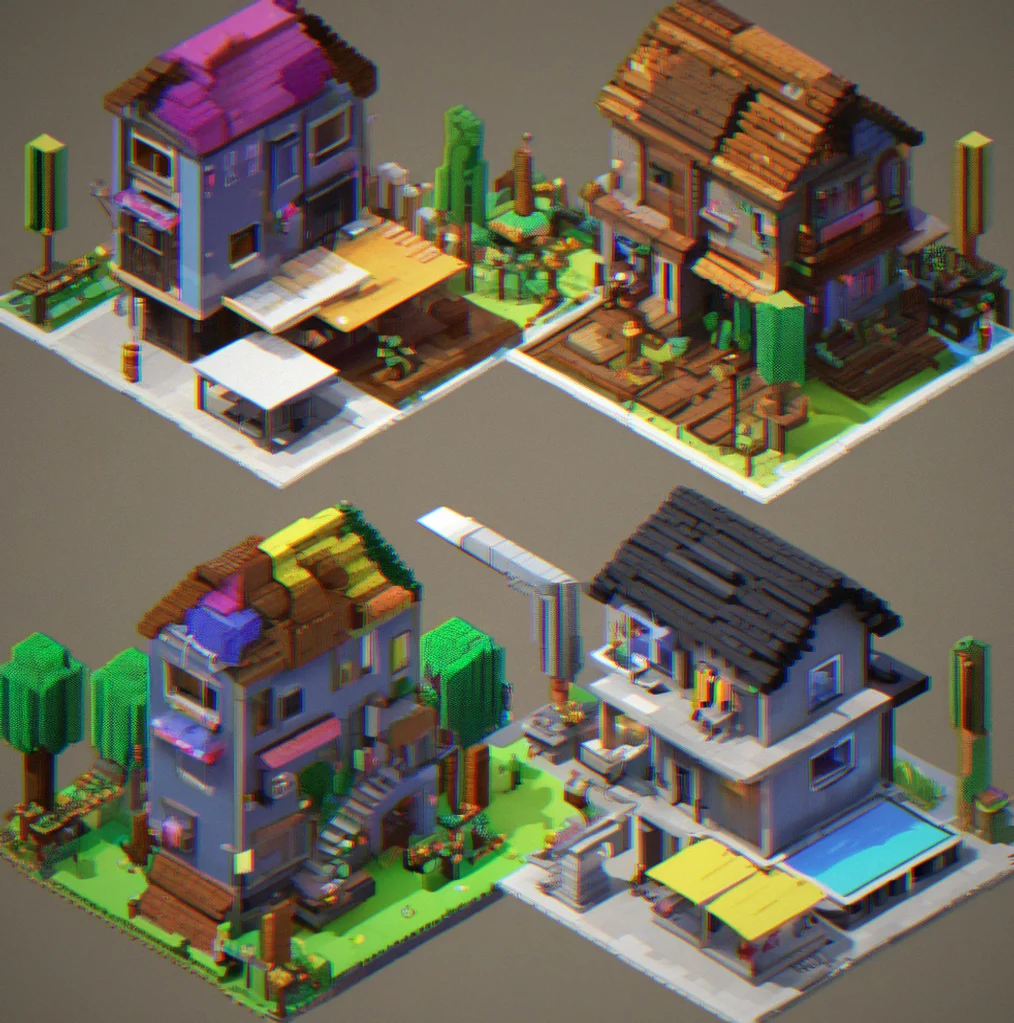
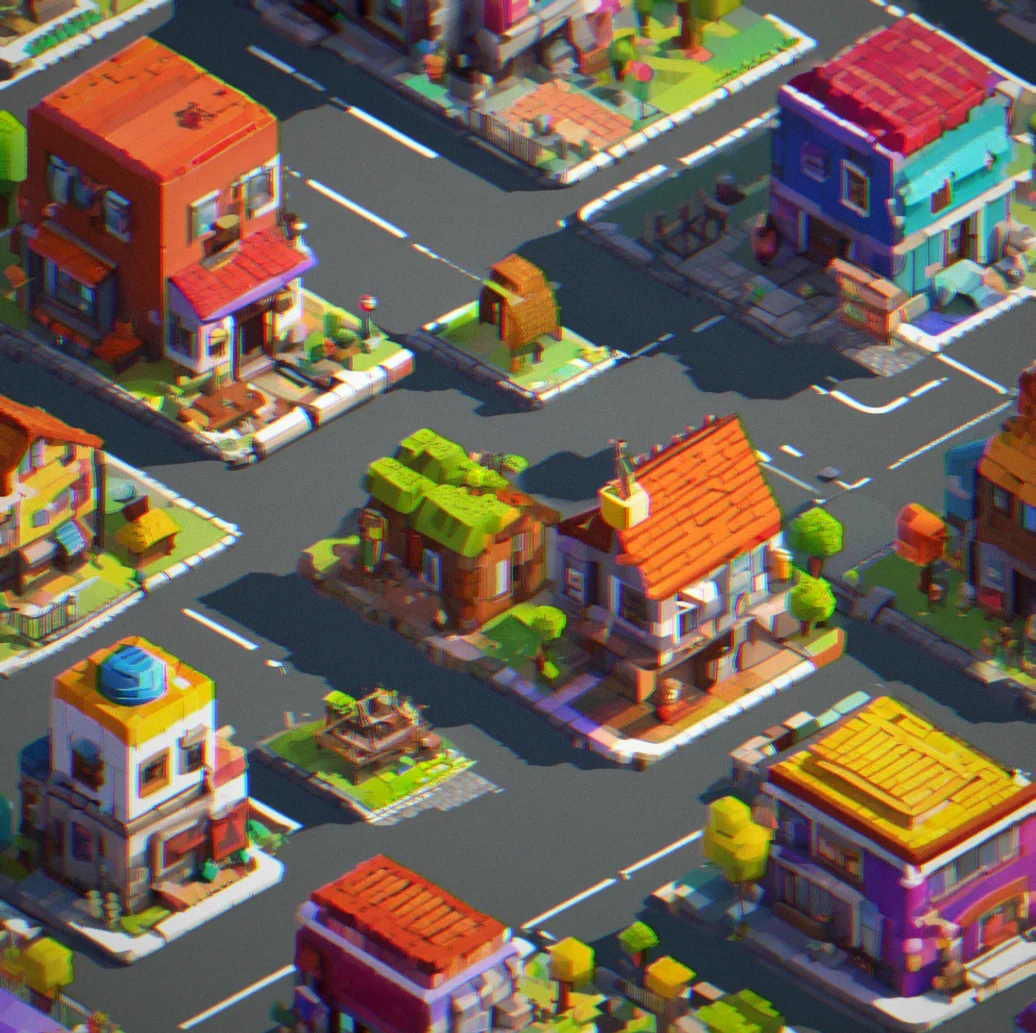
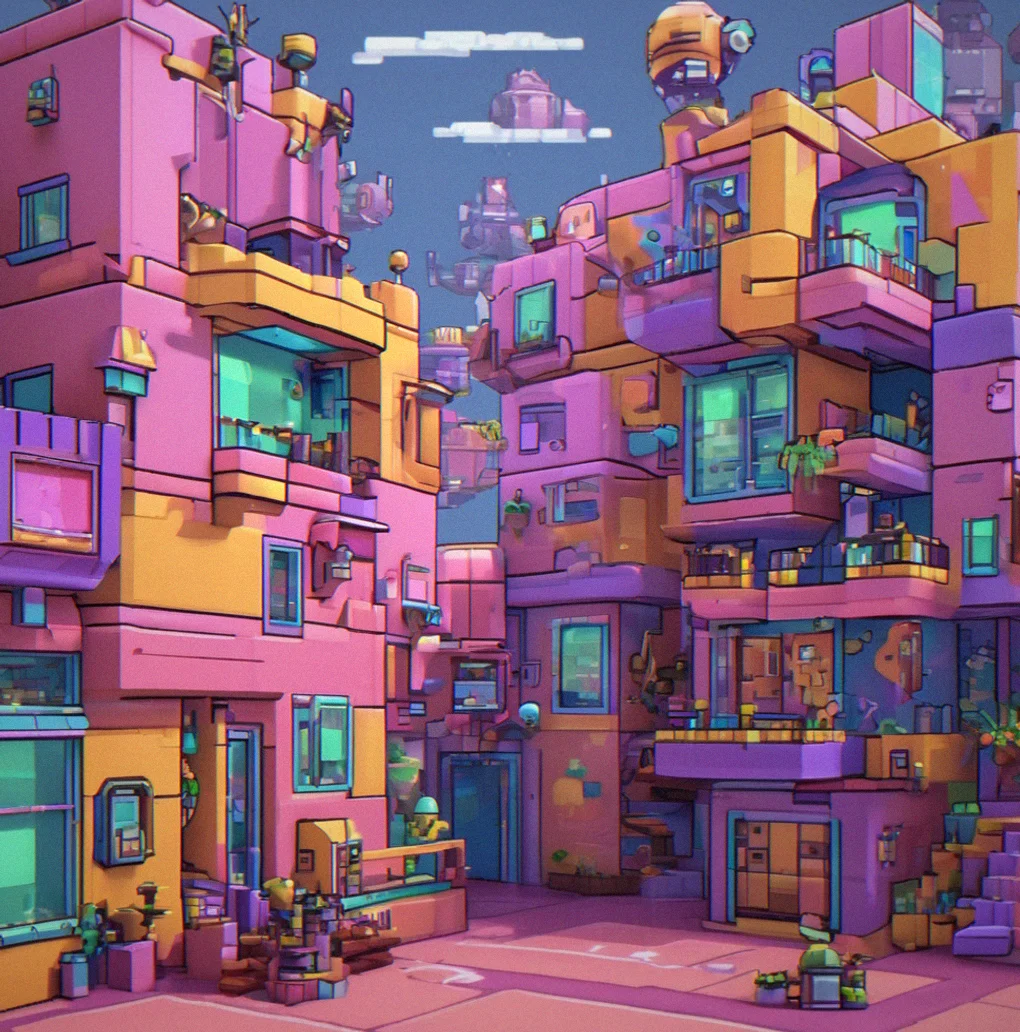
A grid at first. Then a dozen builders added neighborhoods. Each one loaded the code, built their section, pushed a new version. All twelve world codes stacked into one.
Morning work on desktop. Lunch break on mobile. Pulled it up on a tablet to show a friend. Same world the whole time. Same code. No lag, no sync headaches.
The feed works differently here. Craftmotive shows you builds based on what builders actually interact with — remixes, references, spins on existing work. Not how long you stay. Not engagement tricks designed to keep you stuck scrolling. You load a world code. See what someone built. If it clicks, you load it, change it, generate your own code. That loop is the whole discovery thing. Featured builds rotate based on how complex they are, how fresh they feel, and how the community responds. A pixel sprite from an 11-year-old sits next to architectural renderings from a 32-year-old designer. No ranking system. No tiers. Just builders looking at what other builders made.
Minimum age to build and share with others
Upper range we actviely support, though there's no actual ceiling
Days before a shared build typically gets its first remix
Ads you'll see in the discovery feed — meaning none
Starting early
A 10-year-old sits at a desk with a tablet, stacking vocel blocks to build a bright, colorful house in the builder interface
Discovering ideas
A teen scrolls through the discovery feed on their phone, looking at community pixel art sprites and voxel builds
Design systems
Desktop screen showing a modular furniture system where individual pieces are arranged and color-coded by what they do
One world. Any device.
Two phones side by side with the same voxel structure at different edit stages, showing how changes sync across devices
Sharing happens here
A Discord thread where someone pastes a twelve-character world code, and three other people jump in to remix and build on it
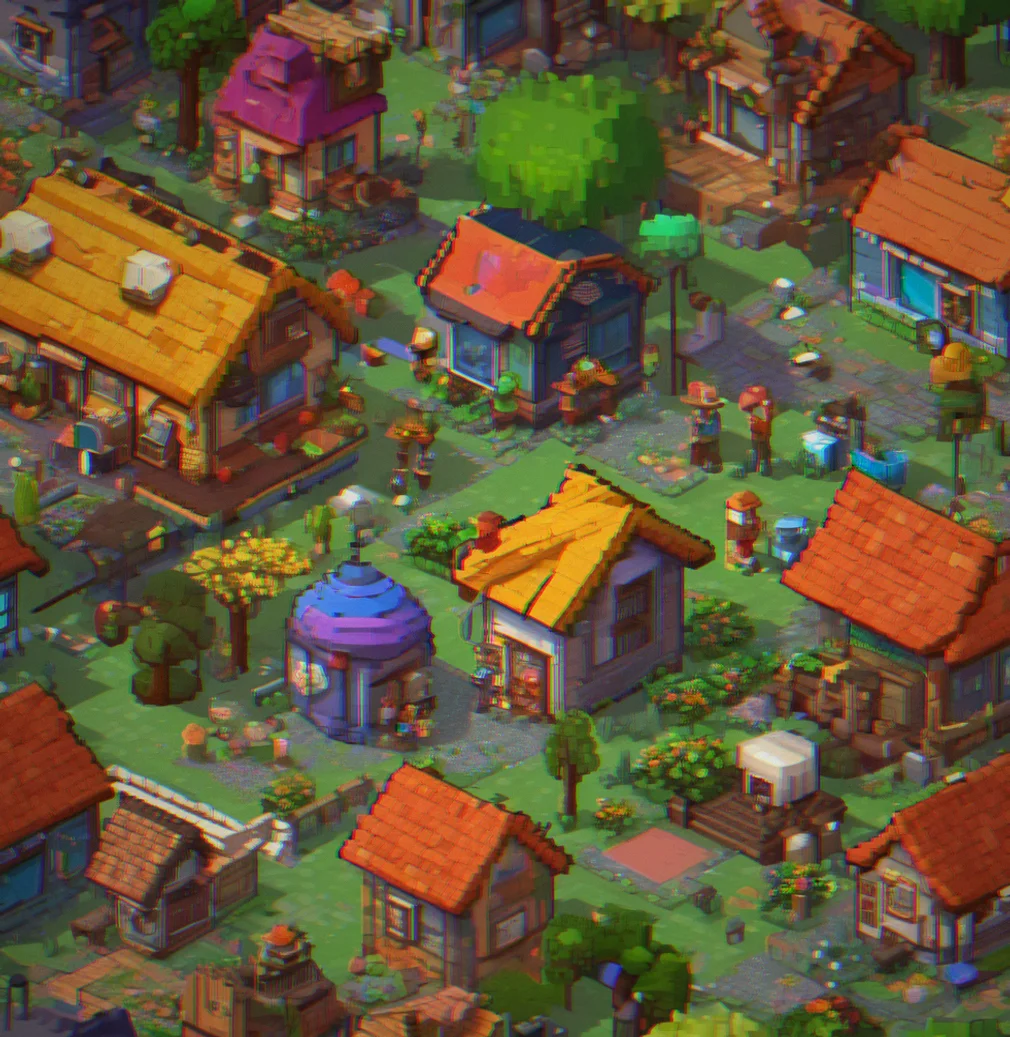
Pixel-pushing craft
Pixel art character sprite sheet with four animation frames showing small changes between each one, built by a single creator over time
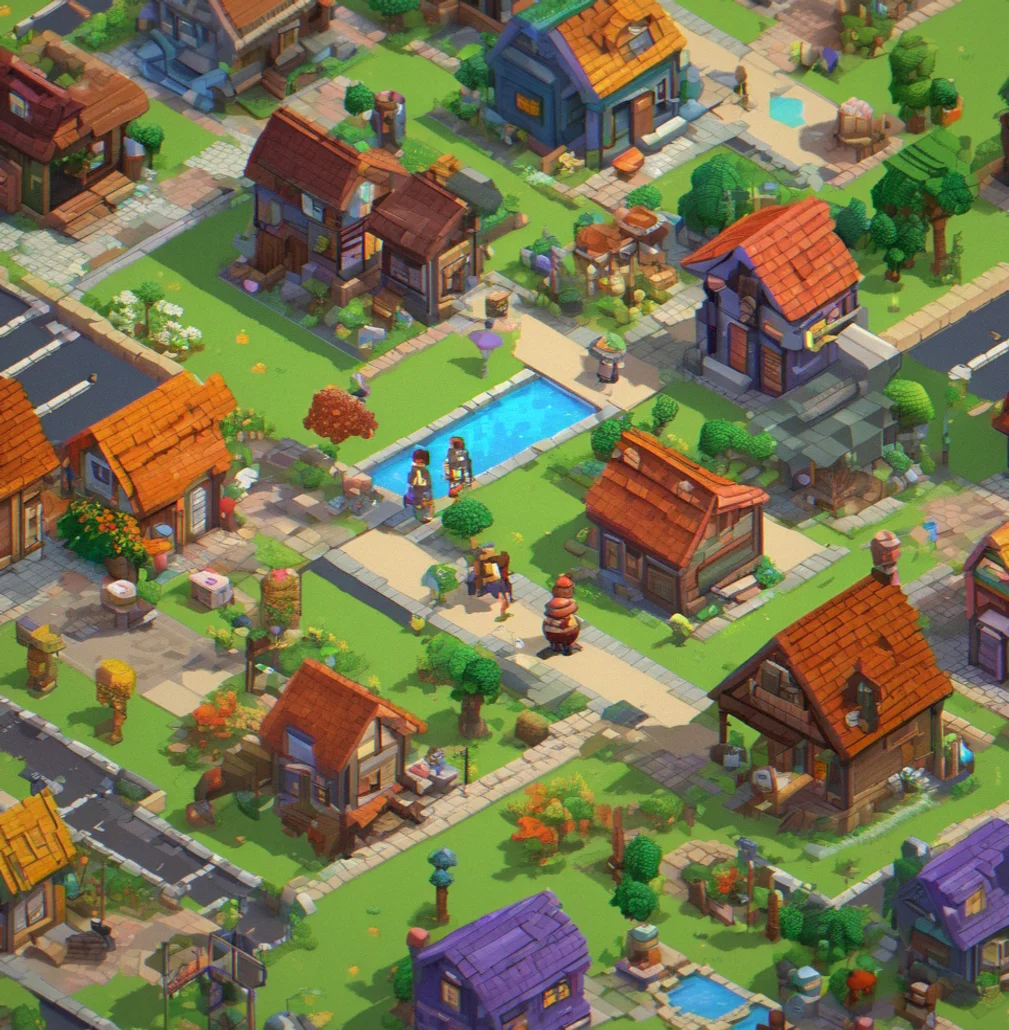
Collaboration at scale
An isometric voxel cityscape stretching across the screen with different neighborhoods built by different people, each one with its own look and color scheme
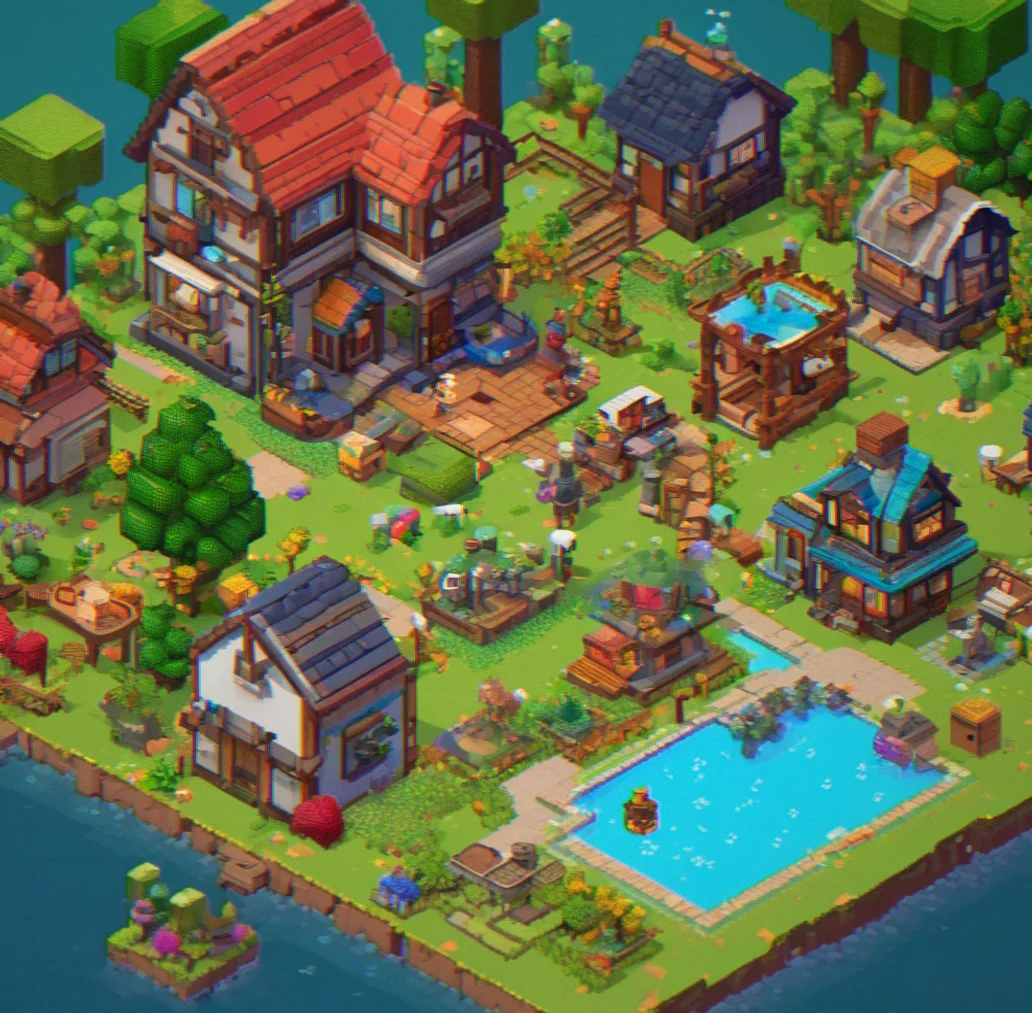
Recognition happens naturally
A featured build card in the Craftmotive feed showing the thumbnail, creator name, how many remixes it got, and a quick note about how it was made
Want to see what actually happens when someone builds, changes their mind, and puts it out there? This is how it really goes. No filters, just the parts that matter.
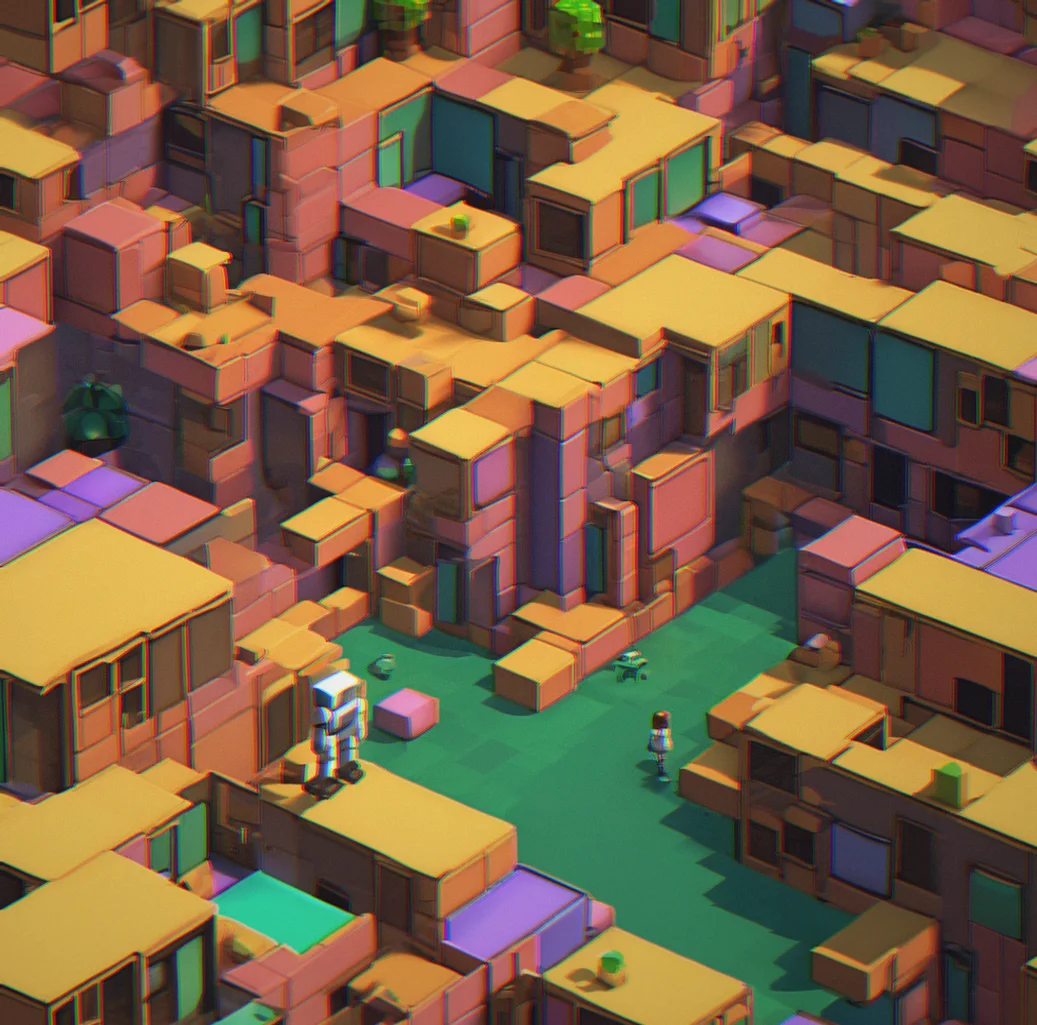
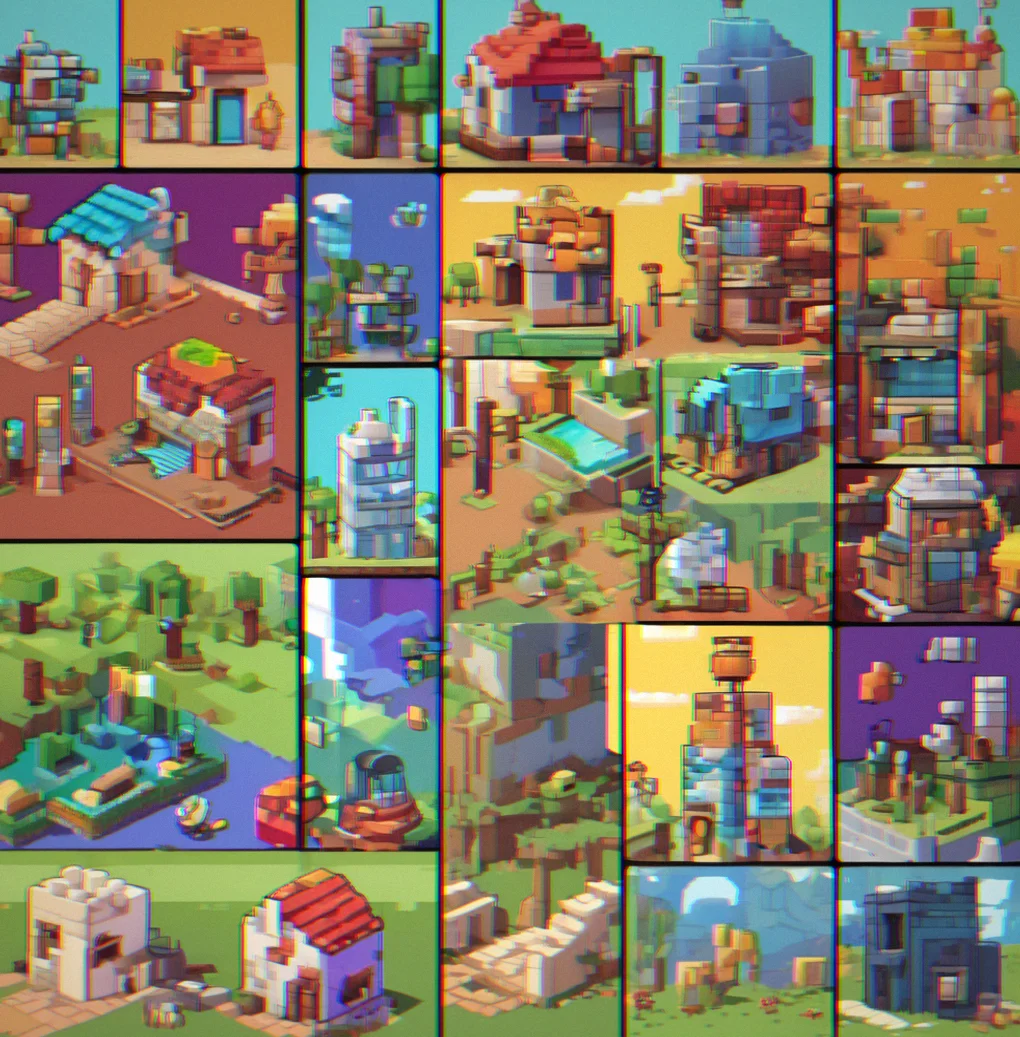
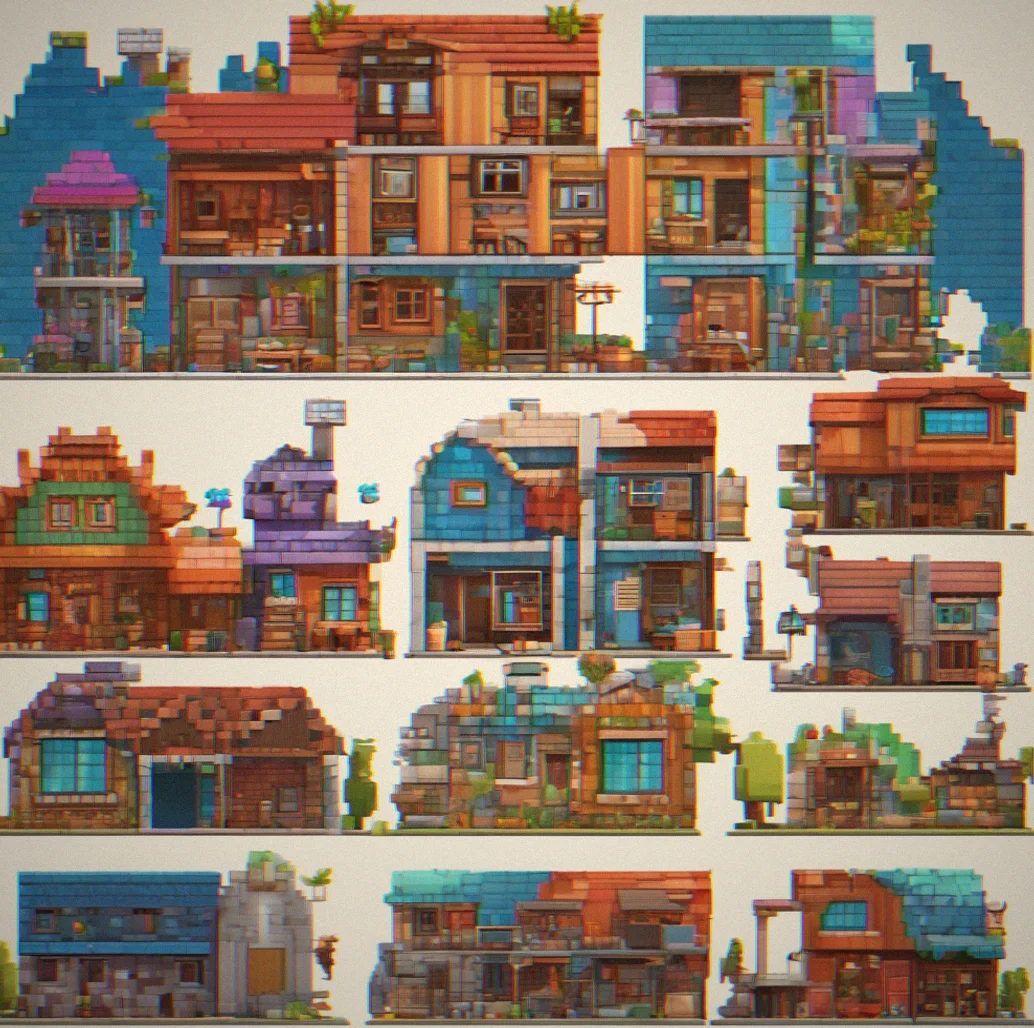
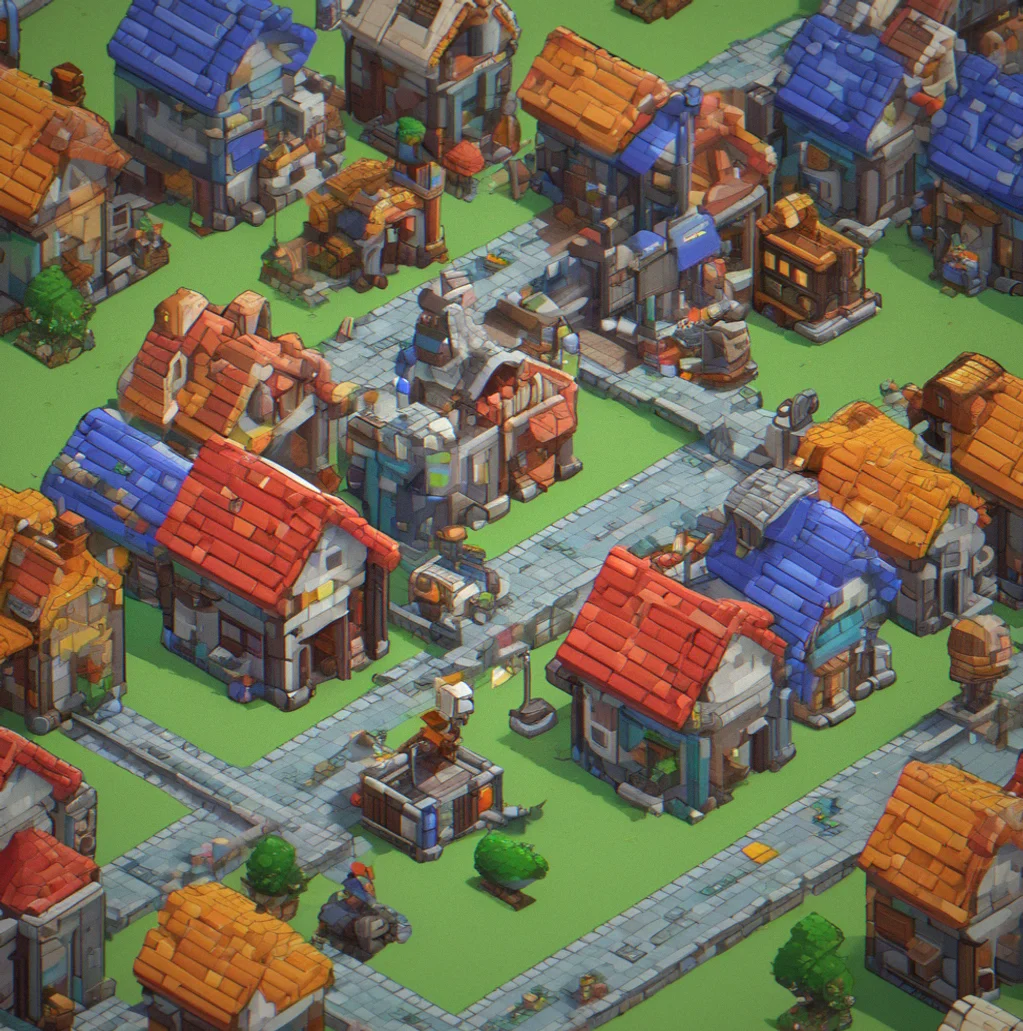
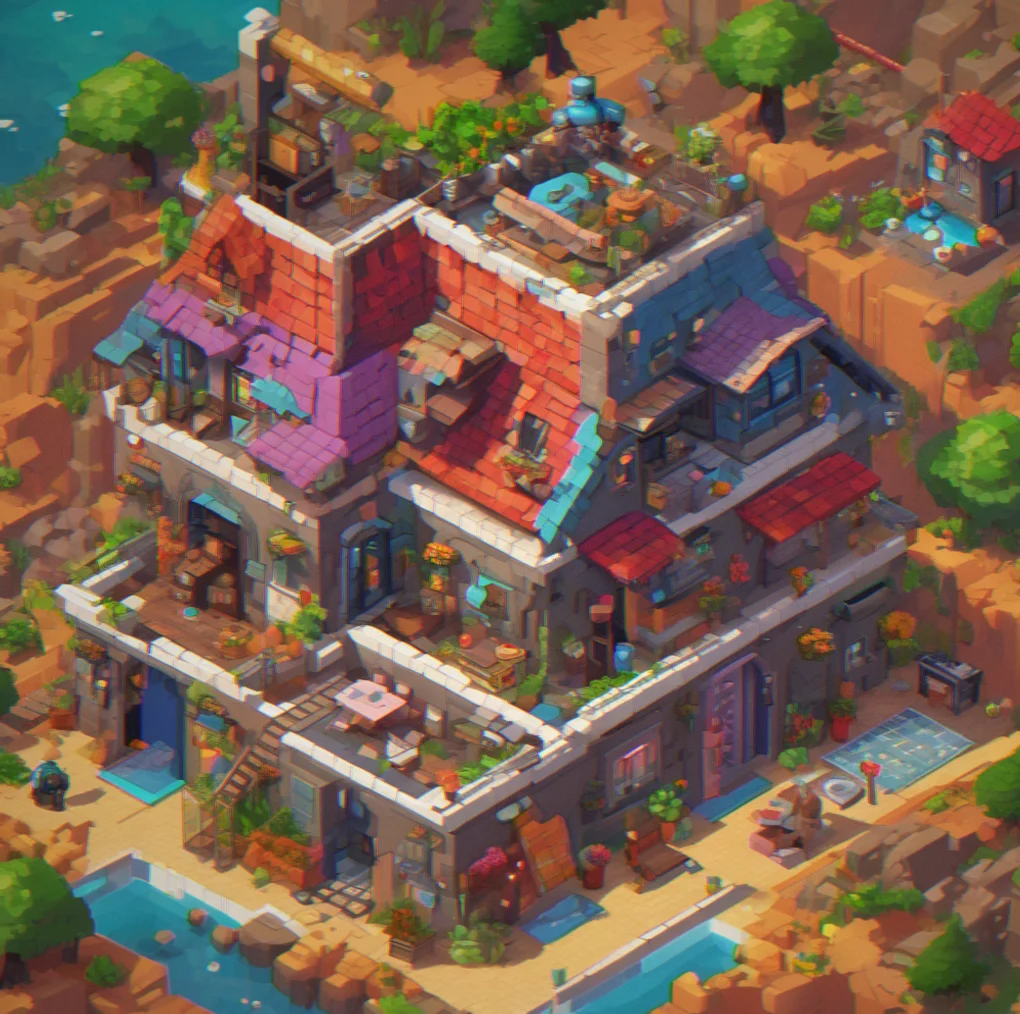
Points and badges don't really matter. What actually counts is whether another builder looks at your work and thinks, yeah, I want to build on that. Craftmotive gets your creations in front of people through remixes and references. When someone grabs your world code, changes it up, and puts out their own version with a shout-out to what you made, that's real recognition. A 13-year-old's voxel castle might get remixed fifty times in a month. A 28-year-old's modular furniture system could become the base for three completely different interior design projects. Neither one ranks higher or lower. They're both in the same feed, found by people who actually care about the work itself.
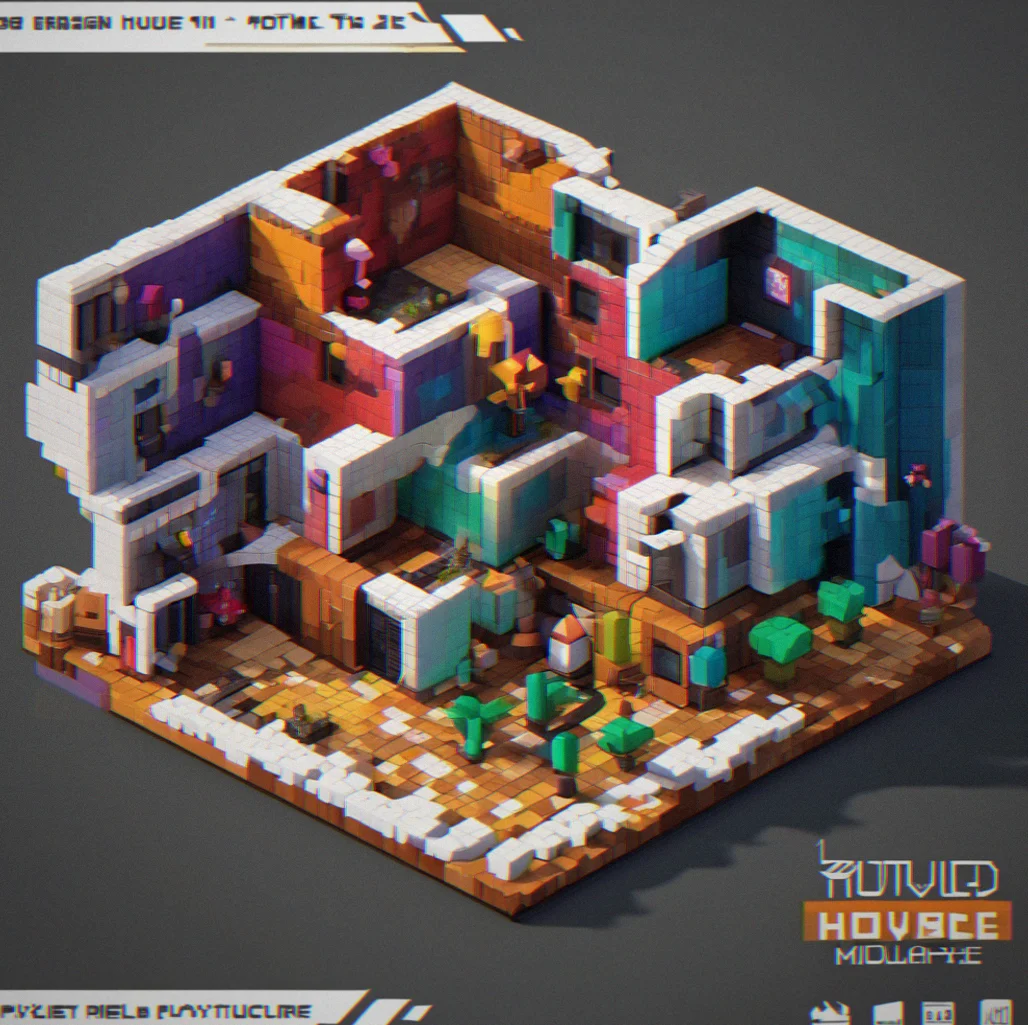
When someone grabs your code and modifies it, you can see exactly what changed and why. Feedback is visual instead of written out.
Share it once and it stays referenced forever. A twelve-character code works everywhere — devices, platforms, whenever.
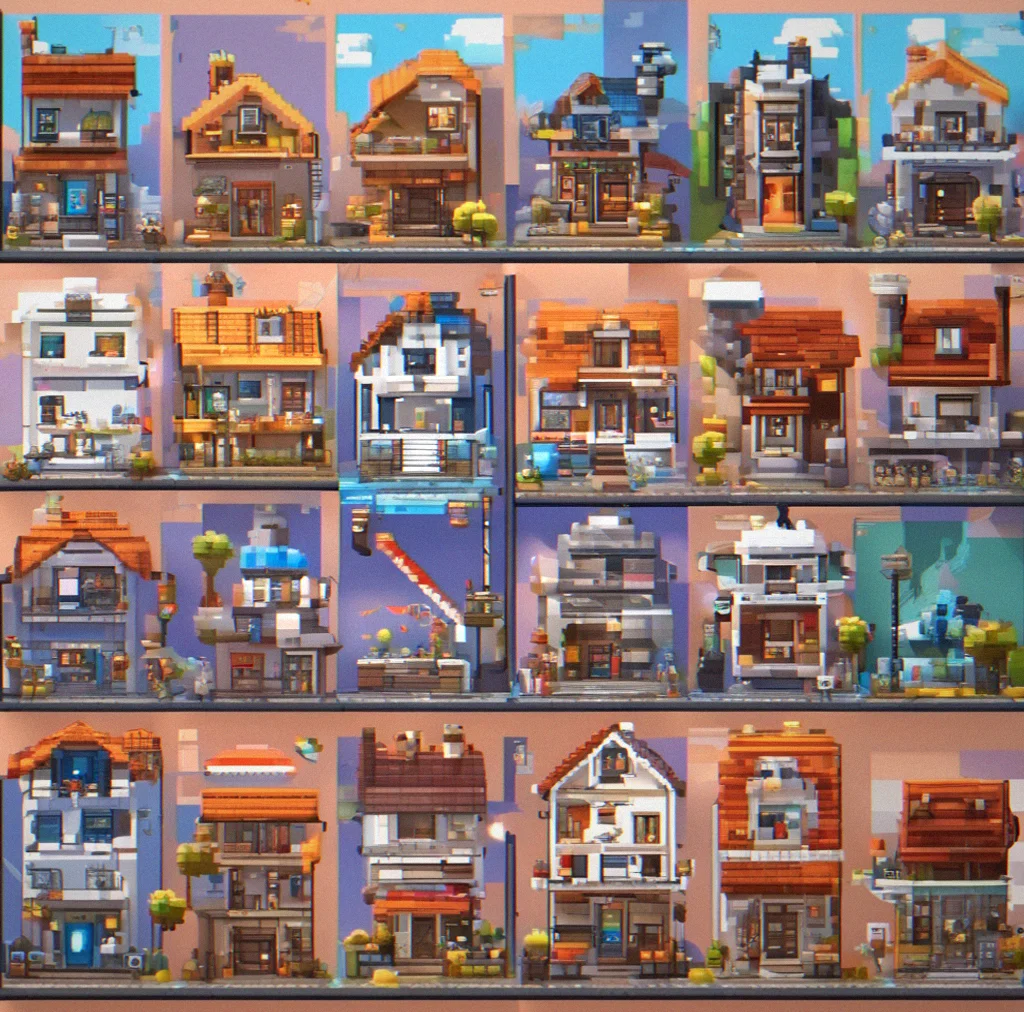
There's no algorithm pushing rage or making you compare yourself to others. Featured builds show up based on how much the community actually engages with them — remixes, variations, references in other worlds. That means you're not drowning in farms of identical content fighting for attention. You see things that made other people want to create. Builders notice that difference. They pay attention. When your work gets featured, it's because someone else built something with it.
An 8-year-old builder and a professional architect show up in the same discovery space. Recognition grows with engagement, not follower counts.
You can follow how your original idea changed through ten different remixes. Watch the creative lineage unfold.
Featured builds rotate based on remixes and how the community responds, not based on time spent or engagement metrics.
Builders reference your work in their own creations. Those references are visible and you can cite them.
You get a code to share your world. Sync across devices. No coding required. Here's what you're actually getting into.
Nope. Place blocks, move them, delete them. That's the whole thing. No scripting, no terminals, nothing to compile. The sandbox works the same whether you're nine or thirty-two.
Yeah. Use the same world code on any device. Desktop, tablet, phone. Everything updates right away since you're opening the same world. No uploading or downloading to worry about. You edit, close the app, open it on a different device later and it's exactly how you left it.
Then don't. Codes only get made when you ask for one. If you never generate it, no one finds it. Worlds stay private unless you do something about it.
Check your activity feed. When someone opens your world code and creates a new one from it, that remix points back to yours. You can load their version and see what shifted. It's a way to understand how someone else thought about your idea.
No winning, no losing. You decide what matters. A tiny cottage counts the same as a massive city because they're just different things you built. No ranking system, no points, no one judging how you do it.
The code tracks the chain. Every build shows where it came from. A twelve-character code works like a fingerprint. If someone shares a code that doesn't match their name in the system, people catch it. The community's small and focused enough that this doesn't really happen. Everyone's here to build and remix, not steal.